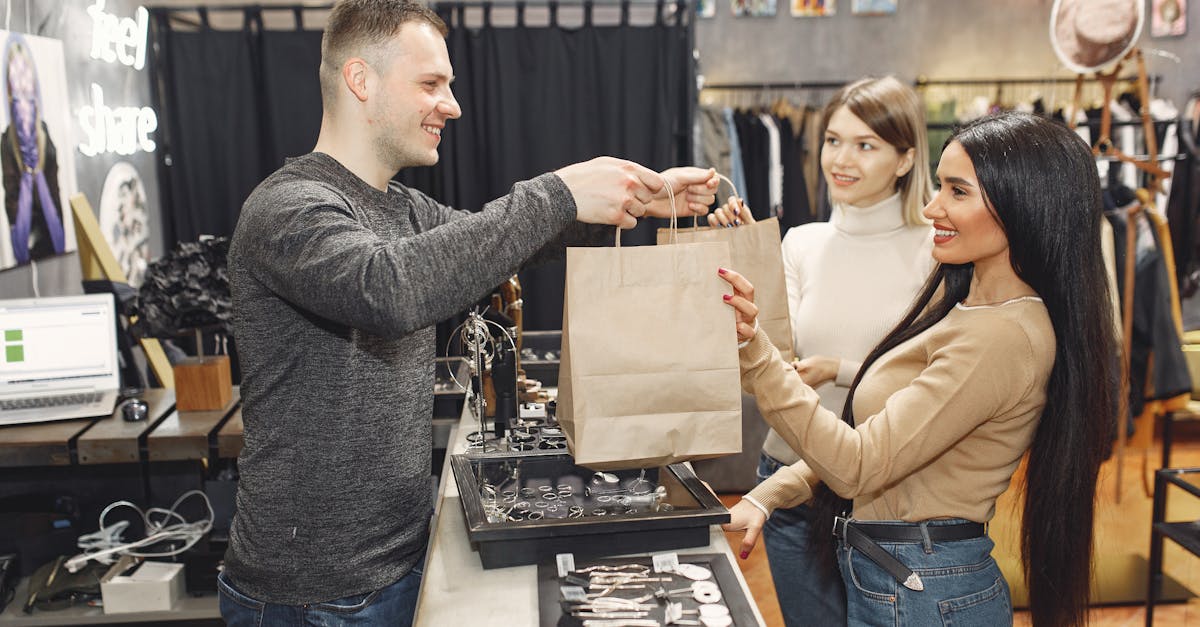
How Do I Create a Better Unboxing Experience on a Small Budget?

The Best Low-Cost Ways to Improve Unboxing
The best low-cost ways to improve unboxing are simple, repeatable, and tied to what happens after delivery.
Here are six that work well for small ecommerce brands:
- Use one clean packaging upgrade, like tissue paper or a branded sticker
- Add a short thank-you card with a real human tone
- Include a next-step insert that tells the buyer exactly what to do next
- Swap one-time discount cards for a rewards or points message
- Add a QR code that leads to account creation, reorder, or rewards signup
- Keep the inside of the package tidy so the first impression feels intentional
What makes an order feel expensive is not the box price. It is clarity, care, and consistency. A neat fold, a sticker seal, and one well-written insert usually do more than a pile of extras.
A package insert works better when it points to a clear retention action, like creating an account or joining your rewards program.
What Is an Unboxing Experience?
An unboxing experience is the full moment a customer has from opening the package to deciding what to do next.
That includes the shipping box or mailer, the way the product is wrapped, any insert or note inside, the message on the card, and the follow-through after the order arrives. For a small DTC brand, unboxing is not just packaging. Unboxing is part of the post-purchase experience.
In practical terms, the details that matter most are pretty simple:
- Does the package feel neat or messy?
- Does the product feel protected?
- Does the message sound like your brand or like filler?
- Does the customer know what to do next?
That last part gets missed all the time. A lot of merchants treat unboxing like decoration. The smarter move is to treat unboxing like a retention moment.
If you sell on OpoShop, that next step can connect directly to account creation, rewards enrollment, birthday rewards, or redeeming points for money off at checkout. That is where a nice package starts doing real work.
Why Does the Unboxing Experience Matter for Small Ecommerce Stores?
The unboxing experience matters because it changes how the order feels after the payment is already done.
For a small ecommerce store, that feeling shapes perceived value, memory, and the odds of a second order. A plain package can still work. A sloppy package makes the product feel cheaper than it is.
Small brands do not have the luxury of being forgettable. If a first-time buyer opens an order from your OpoShop store and sees a clean presentation, a warm thank-you, and a clear reason to come back, that first order has a better chance of becoming a relationship.
Unboxing also affects a few practical actions that matter:
- Account creation
- Rewards enrollment
- Email or SMS opt-in
- Reorder behavior
- Referral behavior
A first-time buyer does not need a giant branded box. A first-time buyer needs a reason to remember you.
That is why packaging details matter most to first-time buyers. They are still deciding what kind of brand you are. The product matters most, of course. But the presentation helps confirm whether the order felt worth it.
How Do You Create a Better Unboxing Experience on a Small Budget?
A better unboxing experience on a small budget starts with one memorable moment, not ten extra materials.
Trying to make every order feel luxurious usually gets expensive fast. Trying to make one part feel deliberate is much more manageable. That could be the first thing the customer sees, the note they read, or the insert that gives them a reason to return.
Here is the part that matters. Every insert should answer one question: what should the customer do after opening the package?
If the answer is vague, the insert will get ignored. If the answer is clear, the insert can earn its place.
Weak: “Thanks for your order. Enjoy 10% off next time.”
Stronger: “Create your account, claim your signup reward, and start earning points you can use for money off at checkout.”
The weak version gives away margin and trains buyers to wait for discounts. The stronger version gives the customer a reason to come back without making the whole relationship about one coupon.
If you want your unboxing experience to repeat orders, pair it with a simple rewards program customers can actually use.
Best Budget-Friendly Unboxing Ideas for Small Brands
The best budget-friendly unboxing ideas are the ones that add clarity or memory without adding much cost.
Here is a simple comparison for small brands shipping from an OpoShop store.
| Unboxing element | Cost | Effort | Repeat-purchase value | Best use |
|---|---|---|---|---|
| Tissue paper | Low | Low | Medium | Makes the first reveal feel more intentional |
| Branded sticker | Low | Low | Medium | Seals tissue or adds one visual brand cue |
| Thank-you card | Low | Low | High | Adds warmth and gives space for a next step |
| Handwritten note | Low to medium | Medium | Medium | Works best for small order volume or high-margin products |
| Rewards insert | Low | Low | High | Points buyers toward signup, points, and second orders |
| QR code card | Low | Low | High | Makes account creation or reorder easier on mobile |
| Reorder prompt | Low | Low | High | Useful for consumables or repeat-use products |
A few ideas stand out for small DTC brands.
Tissue paper and stickers are good if you want the package to feel more polished without custom boxes. Thank-you cards and rewards inserts are better if your goal is repeat purchase behavior. QR codes help when you want to shorten the path from opening the package to taking action.
Should you include a discount card or a loyalty message in the package? In most cases, the loyalty message is the better move. A discount card teaches the customer to expect another markdown. A rewards message teaches the customer how to stay connected to your store.
That matters even more for low-AOV brands. If your margins are already tight, every automatic discount stings. A points message is often easier to sustain.
Common Unboxing Mistakes That Waste Money
The most common unboxing mistakes happen when merchants spend on looks before they decide what the package is supposed to do.
The first mistake is overinvesting in packaging before the product and offer are proven. If your OpoShop store is still learning what customers reorder, do not sink money into custom boxes too early. Start smaller. See what gets remembered and what gets ignored.
The second mistake is clutter. More filler does not make the order feel better. It usually makes the package feel busy.
The third mistake is generic discounting. A loose “10% off next time” card feels easy, but it can train buyers to wait for a cheaper second order. That is not a great trade if margins are already thin.
The fourth mistake is inconsistent branding. If your site feels warm and handmade but your insert sounds stiff and generic, the package feels disconnected.
The fifth mistake is forgetting a clear next action. This is the big one. A customer should not have to guess whether you want them to reorder, create an account, join rewards, or follow you somewhere.
If you are testing what to improve first, start with the insert before the packaging materials. That is usually the fastest way to improve post-purchase retention without hurting margins.
What We Recommend for OpoShop Merchants
For OpoShop merchants, we recommend treating unboxing as a retention tool first and a branding detail second.
That means keeping packaging simple, choosing one or two low-cost presentation upgrades, and using the insert to move the customer toward an account, a rewards profile, and a second order. For most small brands, that works better than spending hard on custom packaging.
A strong insert for an OpoShop store can do a lot with very little space:
- Thank the customer in a real voice
- Explain the next step in one sentence
- Mention signup rewards or birthday rewards
- Remind the customer that points can be redeemed for money off at checkout
That is a practical way to connect unboxing to repeat purchases. No developer needed. No complicated setup inside your OpoShop store. Just a clearer path from first order to second order.
Best answer: The best small-budget unboxing strategy is a clean package, one memorable branded detail, and an insert that points customers toward a repeat-purchase action. For OpoShop merchants, the smartest next step is connecting that insert to rewards, account creation, and points redemption so the package does more than look nice.
FAQs
What is the cheapest way to improve an unboxing experience?
The cheapest way to improve an unboxing experience is to clean up presentation and add one useful insert. A tidy package, a simple sticker, and a short thank-you card usually make a bigger difference than expensive custom packaging.
Do I need custom packaging to make orders feel special?
No. Custom packaging is not required if the order feels intentional, neat, and on-brand. Tissue paper, a sticker seal, and a well-written insert can make packaging more memorable without custom boxes.
What should I put inside a package besides the product?
The best low-cost inserts are a thank-you card, a rewards message, a QR code, or a reorder prompt. Each insert should point to one clear next step so the customer knows what to do after opening the order.
How can I encourage a second order through the unboxing experience?
The best way to encourage a second order is to connect the package to a reason to return. A rewards insert, signup reward, birthday reward, or points message usually works better than a generic discount card because it builds a habit instead of a one-time coupon expectation.
How do I improve packaging without cutting too far into profit margins?
Improve the parts customers notice most and skip the rest. For most small brands on OpoShop, that means testing low-cost inserts and one presentation upgrade before spending money on custom boxes or extra filler.
If you want a simple way to turn post-purchase moments into repeat orders, start with the store setup that supports it.